


Buying a cemetery plot or columbarium niche? Six questions worth asking, from FLS (福禄寿) Kuantan
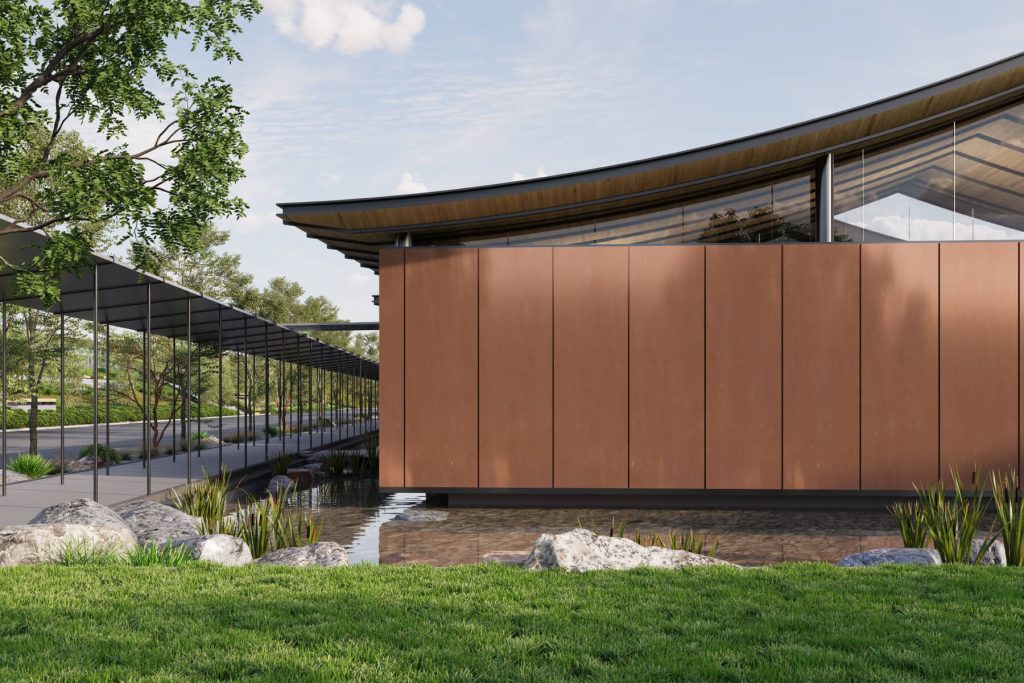
KUANTAN — Buying a cemetery plot or columbarium niche is an arrangement a family lives with for decades. FLS (福禄寿) Kuantan has put together six questions that families often ask, and that are worth asking any provider: planning approval, land title, land ownership, long-term upkeep, the site itself and the contract. Having clear answers helps families decide with peace of mind.
Why ask questions before buying a burial plot?
A plot or niche is usually in use for decades, and later generations will come to pay their respects. Most families make this kind of purchase only once or twice in a lifetime, so it is natural to be unfamiliar with the documents involved.
These six questions apply to any cemetery or columbarium, whether privately run, a clan or association cemetery (yi shan, 义山) or a public cemetery. Families can use them as a starting point and add their own.
What are the six questions to ask?
1. Does the cemetery have local authority planning approval?
In June 2026, Housing and Local Government Minister Nga Kor Ming told Parliament that the development of cemeteries, crematoria and columbaria requires planning permission from the local authority. Families can ask the operator about its approval documents, or check with the local council.
2. Is the land held on permanent title or leasehold?
Under the National Land Code, state governments may alienate land in perpetuity or on leases of up to 99 years. For leasehold land, families may wish to ask what arrangements apply when the lease ends.
3. Who holds the land?
Families can ask to see the land title details, including who holds the land and what use it is approved for.
4. Who looks after the cemetery in future?
It can help to ask whether there is a dedicated maintenance fund, who manages and supervises it, and whether there is an annual maintenance fee. Roads, drainage, lawns and shared facilities all need care over the long term.
5. What is the site like?
The national planning guideline being drafted for non-Muslim cemeteries, crematoria and columbaria will require sites to avoid flood-prone and landslide-prone areas. Many families also visit in person to look at drainage, access roads and the surroundings.
6. What does the contract cover?
Contracts commonly set out the exact location of the plot or niche, a price breakdown, any maintenance fee, whether it can be transferred, and refund terms. Some families ask a lawyer to look over any clause they are unsure about.
Practical tips for a cemetery visit
| What to find out | What to look at or ask about |
|---|---|
| Planning approval | Approval documents, or check with the local council |
| Land title | Permanent or leasehold, and the lease period |
| Land ownership | Title holder and approved land use |
| Long-term upkeep | How the maintenance fund is managed and supervised; fees |
| The site | Drainage, access roads and surroundings, seen in person |
| The contract | Location, price, transfer and refund terms |
Many families visit together with their elders, write their questions down beforehand, and talk things over at home rather than deciding on the day.
Do needs differ between religions and dialect groups?
Yes. Families of different dialect groups, faiths and traditions have their own considerations, such as the orientation of a grave, the layout of a burial section, or burial versus cremation. No single arrangement suits everyone. Families can talk things through with their elders or religious advisor and shape their questions around their own needs.
How does FLS answer these questions?
As one example, the 48-acre FLS Life Park 福禄寿陵园 in Gambang sits on permanent title and has a government-supervised maintenance trust fund.
In summary
Planning approval, land title, land ownership, upkeep, the site and the contract are six things many families look into before buying a plot or niche. Clear answers make for a more settled decision, and a lawyer or the local council can help with legal questions. Families who would like to know more about FLS Life Park can WhatsApp +60 12-960 2222.
About FLS (福禄寿) Kuantan: Founded in Kuantan, Pahang in 1963 and run by three generations of the same family, FLS provides cemetery plots, columbarium niches, ancestral tablets, funeral services and pre-planning. Its 48-acre FLS Life Park in Gambang sits on permanent title. Website: flsgroup.com.my | Hotline/WhatsApp: +60 12-960 2222
Quick answers
How can I find out whether a cemetery or columbarium has planning approval?
In June 2026, Housing and Local Government Minister Nga Kor Ming told Parliament that the development of cemeteries, crematoria and columbaria in Malaysia requires planning permission from the local authority. Families can ask the operator about its approval documents and land title details, or check with the local council.
What is the difference between permanent title and leasehold for a cemetery?
Under the National Land Code, state governments may alienate land in perpetuity or on leases of up to 99 years. Permanent title has no expiry date, while leasehold land has one, so families may wish to ask what happens when a lease ends. FLS Life Park 福禄寿陵园 in Kuantan sits on permanent title.
What is a cemetery maintenance trust fund, and what can families ask about it?
A maintenance trust fund is money set aside to pay for a cemetery’s long-term upkeep, kept separate from the operator’s day-to-day funds. Families can ask who manages the fund and whether it is supervised. FLS Life Park, run by FLS (福禄寿) Kuantan, has a government-supervised maintenance trust fund.
What does a contract for a burial plot or columbarium niche usually cover?
Contracts commonly set out the exact location of the plot or niche, a price breakdown, any annual maintenance fee, whether the plot or niche can be transferred, and refund terms. Some families ask a lawyer to look over any clause they are unsure about before signing and paying.