


What is zhong sheng ji (种生基)? Meaning, process and common questions
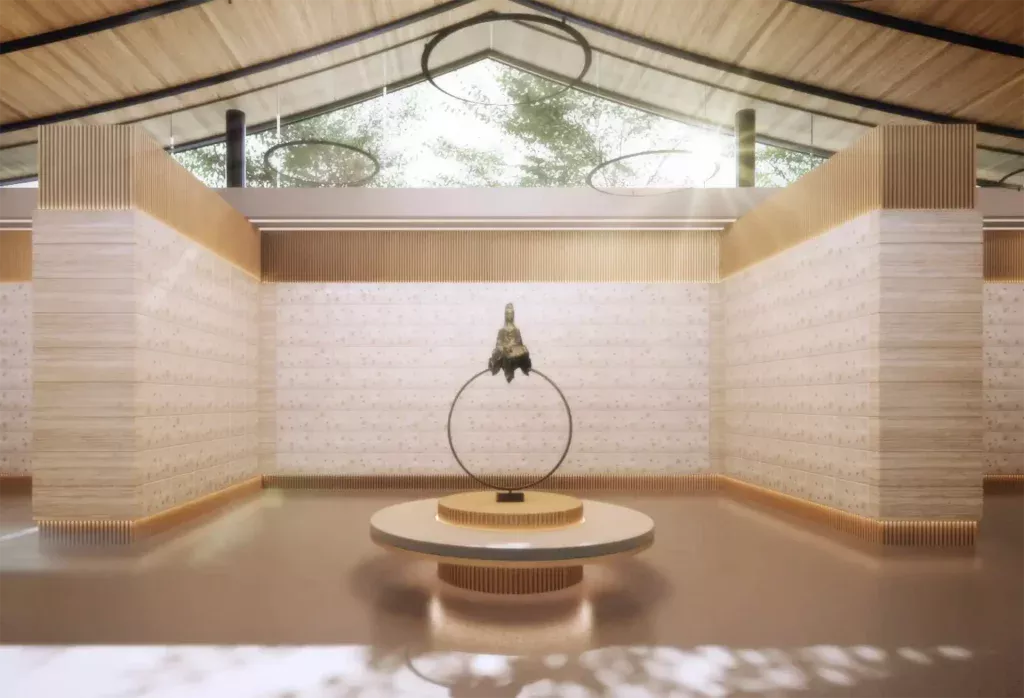
Zhong sheng ji (种生基), literally “planting a living foundation”, is a long-standing feng shui folk custom. A living person’s own hair, nail clippings or other personal items, together with details of their date and time of birth, are placed at a chosen site on an auspicious day. Traditionally, this is believed to “plant” roots of blessing and longevity for the person, as a prayer for good health, long life and a peaceful household. It is a matter of belief and cultural custom, and families see it in different ways; whether to hold one, and how to understand it, is something each family decides according to its own faith and in discussion together.
What does sheng ji mean?
A sheng ji (生基) is a “foundation” made for a living person, also called a shou mu (寿墓, “longevity tomb”) or sheng fen (生坟, “living grave”). In form it resembles a grave prepared for someone still alive, but traditionally it is regarded as a blessing ritual rather than a funeral.
Where the name comes from
Literally, sheng ji means a foundation (基) for the living (生). Its other names, “longevity tomb” and “living grave”, also carry the sense of praying for blessing and long life for someone who is still alive.
Longevity tombs in history
Preparing one’s own tomb in advance has a long history in Chinese society. Taiwan’s Mirror Media (镜周刊), in a feature on feng shui, gives historical examples of people who built their own tombs during their lifetime. Today’s zhong sheng ji is usually led by a feng shui master or a priest, and is more ritualised and smaller in scale.
What is zhong sheng ji traditionally believed to mean?
Traditionally, zhong sheng ji is believed to invite good health, long life and peace at home for the person concerned. These beliefs come from folk feng shui, and different feng shui masters explain them in different ways.
For some families, the ritual is also a time of togetherness and a way to honour an elder: accompanying a parent or grandparent through the ceremony is itself a way of showing care. Other families are less familiar with it, or choose different ways of praying for blessings according to their faith. Each of these is a family’s own choice.
How is zhong sheng ji usually carried out?
Practice varies between masters, but it generally includes choosing a site and a date, preparing personal items, purifying the site with chanting, placing the “foundation”, and praying for blessings. A common sequence:
| Step | What happens |
|---|---|
| 1. Choosing a site | A site is chosen, usually in a cemetery or another place where use is permitted |
| 2. Choosing a date | A day and hour are chosen based on the person’s birth details |
| 3. Preparing items | The person’s hair, nail clippings and similar items, with a paper bearing their birth details, are placed in a container |
| 4. Purifying and chanting | A priest or feng shui master purifies the site |
| 5. Placing the foundation | The container is placed in the plot |
| 6. Prayers for blessing | The family prays together for health and peace |
What can families ask before the ceremony?
Many families check the following with the feng shui master or priest beforehand:
- which personal items and details to prepare;
- roughly how long the ceremony takes, and whether family members attend;
- how the date and hour are chosen;
- the fees and what they include;
- whether there are any later arrangements for offerings or upkeep.
When the person is elderly or less mobile
If the person is an older relative, some families check the walking distance, shade and rest areas at the site in advance and arrange for family members to accompany them, so the elder can feel at ease during the ceremony.
How is zhong sheng ji different from a funeral?
Traditionally, zhong sheng ji is meant as a blessing for the living, while a funeral is about laying the departed to rest and saying goodbye. The two have different purposes.
For the same reason, families feel differently about it: some see it as a blessing, while others feel hesitant because it involves a cemetery plot. Whether to hold one is up to each person’s beliefs and the family’s shared view, and families can take it at their own pace.
Where is it done, and what about land use?
Zhong sheng ji involves the use of land, and land use is subject to the relevant regulations. In Hong Kong, a suspected sheng ji tomb built outside a designated burial area was reported as a breach of the rules. For this reason, many families choose a cemetery or another permitted site, and check the arrangements, fees and future upkeep with the operator beforehand.
How do families of different faiths see it?
Zhong sheng ji comes from folk feng shui belief. Buddhist, Christian and other families each have their own ways of praying for blessings and may wish to consult their own religious teachers before deciding. When family members hold different beliefs, talking openly about each person’s views often leads to an approach everyone is comfortable with. In some families, for example, the members who follow folk belief take part in the ceremony, while others offer their good wishes to the elder in their own way.
What was the zhong sheng ji ceremony at FLS Life Park?
In May 2026, FLS Life Park 福禄寿陵园 (Gambang), run by FLS (福禄寿) Kuantan, opened. Sin Chew Daily reported that a “Hundred Years of Blessings” sheng ji ceremony (百龄福泽·人瑞生基) was held on opening day: led by a feng shui master and a priest, it was performed for a 106-year-old, and included purifying the site, chanting, placing the foundation and prayers for blessing. China Press also reported that the park offers zhong sheng ji ceremonies.
For many families, seeing a centenarian take part in person was itself a warm blessing of long life.
Common questions
Do younger people also hold zhong sheng ji?
Practice differs. Traditionally the ritual is mostly associated with praying for health and long life; some families arrange it for an elder, and some for themselves or other family members. Details can be discussed with the feng shui master or priest leading the ceremony.
What if family members disagree?
Many families start by listening to the wishes of the person concerned, then invite elders or a religious teacher to share their views. Whether the family goes ahead or not, either can be a considered family decision.
What do families do after the ceremony?
Explanations and family practice vary. Some families return to visit and offer incense around Qingming, the winter solstice or the person’s birthday; others hold only the ceremony itself, with no later arrangements. Families can ask the person leading the ceremony and the cemetery what options there are, then plan around the family’s own time and wishes.
Summary: what is zhong sheng ji?
- Zhong sheng ji is a long-standing feng shui folk custom, traditionally believed to plant roots of blessing and longevity for a living person.
- The usual process includes choosing a site and date, preparing personal items, purifying and chanting, placing the foundation and praying for blessings.
- Practice and explanations vary between masters, so families often confirm details with the person leading the ceremony.
- Land use is subject to regulations, and many families choose a permitted site.
- Whether to hold one is for the person and family to decide, according to their beliefs and shared view.
FLS respects every family’s beliefs and choices. There is no single right answer to whether to hold a zhong sheng ji; it can also be a chance for a family to sit down together and talk about health and about one another’s wishes.
This article is brought to you by the FLS (福禄寿) Kuantan Life Education Column. More information: flsgroup.com.my
Quick answers
What is zhong sheng ji?
Zhong sheng ji (种生基) is a traditional feng shui folk custom in which a living person’s hair, nail clippings or other personal items, with their birth details, are placed at a chosen site on an auspicious day. Traditionally, it is believed to plant roots of blessing and longevity, as a prayer for health and a peaceful household. Each family decides according to its own beliefs.
What are the usual steps of a zhong sheng ji ceremony?
A zhong sheng ji ceremony usually includes choosing a site and a date, preparing hair, nail clippings and birth details, purifying the site with chanting, placing the foundation, and praying for blessings. It is normally led by a feng shui master or priest. Practice differs between masters, so many families confirm the details with them beforehand.
What is zhong sheng ji traditionally believed to do?
Traditionally, zhong sheng ji is believed to invite good health, long life and peace at home for the person concerned. These beliefs come from folk feng shui, and feng shui masters explain them in different ways. Whether to hold one is for the person and their family to decide, according to their own faith and shared view.
Where can zhong sheng ji be held in Kuantan?
FLS Life Park 福禄寿陵园 in Gambang, Kuantan, offers zhong sheng ji ceremonies. When the park opened in May 2026, a zhong sheng ji ceremony was held for a 106-year-old, including purifying the site, chanting, placing the foundation and prayers for blessing. For details, families can WhatsApp +60 12-960 2222.