


What does feng shui traditionally consider when choosing a grave or columbarium niche?
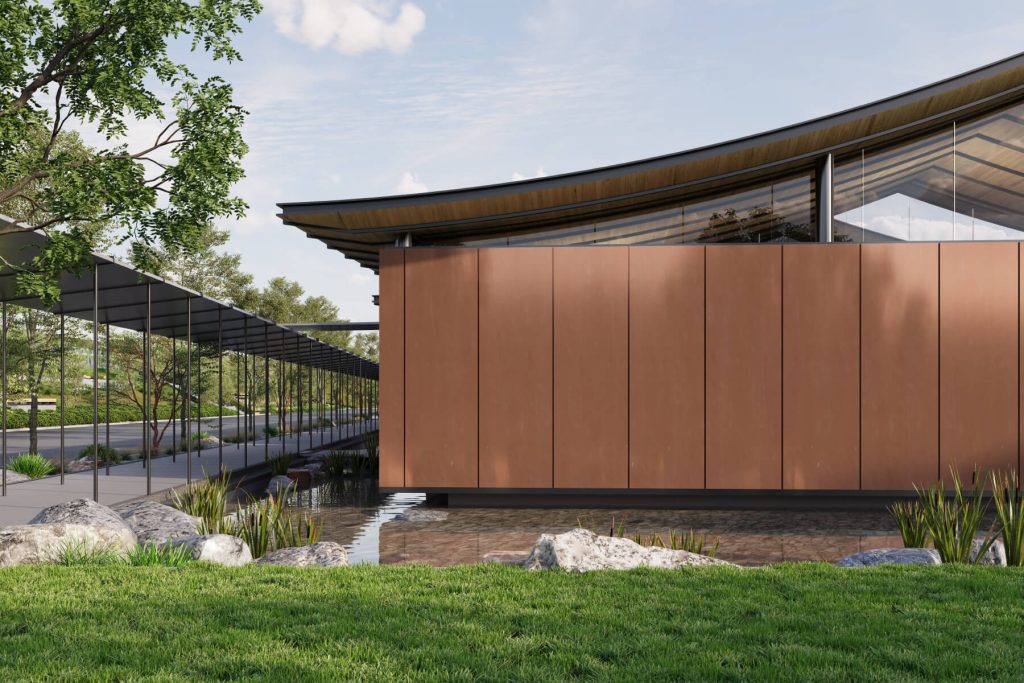
In traditional feng shui (风水), the heart of choosing a grave site is cang feng ju qi (藏风聚气), “sheltering from wind and gathering qi“: higher ground behind, open space in front, a high, dry position and good drainage. For a columbarium niche, families more often think about the height of the row, the direction it faces, and how easy it is to pay respects. Feng shui is a cultural view handed down over many centuries, and families weigh it differently; many consult their elders or a feng shui advisor they trust. At the same time, many families also look into how a cemetery is run, its land title and its long-term maintenance.
Where does the term “feng shui” come from?
The term is traditionally traced to the Zang Shu (葬书, Book of Burial) attributed to Guo Pu of the Jin dynasty. Feng shui later developed separate branches for homes and for graves, and “dragon veins” became one of its best-known ideas.
What the Book of Burial says
The Zang Shu says that qi “rides the wind and scatters, but stops at the boundary of water”. In other words, qi disperses in wind and is held by water. When choosing a site, the ancients hoped to keep the living qi gathered rather than scattered, and the name feng shui, literally “wind and water”, comes from this idea.
Yang dwellings and yin dwellings
Feng shui later divided into yang zhai (阳宅), for homes, and yin zhai (阴宅), for graves. Choosing a burial site belongs to the second. The two share some principles but focus on different things.
What is a “dragon vein”?
A long mai (龙脉), or dragon vein, is a feng shui image for winding, rolling terrain that is seen as helping qi gather. Traditionally, many people have regarded land with undulating, connected hills as a favourable setting.
What does traditional feng shui look for in a grave site?
Traditional guidance centres on a few ideas: hills behind, water or open space in front, facing the sun, and high, dry ground. The table below sets each traditional idea beside a plain-language reading and things families can notice on a site visit:
| Traditional idea | Plain-language reading | Things to notice on a visit |
|---|---|---|
| Hills behind (support) | Higher ground at the back | Whether the slope is stable |
| Water or an open “bright hall” in front | Open, wide view ahead | The surrounding view and setting |
| Sheltered from wind, gathering qi | Not exposed to strong wind | Landscaping and shelter |
| High and dry | Dry ground, no standing water | Drainage, and conditions in the rainy season |
| Facing the sun | Good natural light | Shade and rest areas for visits |
Traditional ideas and practical surroundings can be considered together. Some families give most weight to their feng shui advisor’s view; others care more about access and surroundings. Each family has its own priorities.
What do families consider when choosing a columbarium niche?
A columbarium is indoors, so the considerations differ from a grave. Families often think about height, direction, surroundings and the wishes of the family:
- Height. Many families prefer a middle row at eye level, which makes offering incense and cleaning easier. A report from Babaoshan in Beijing described families queuing for niches at a middle height.
- Direction. Some families ask a feng shui advisor to choose a direction based on the departed’s date and time of birth; others simply want the niche to face an open view.
- Surroundings. Whether the hall is well ventilated and dry, and whether there is enough space when paying respects.
- Family wishes. Whether a couple or family members would like to be placed side by side in future is worth discussing at the same time.
How do families view feng shui differently?
Feng shui carries different weight in different families, and there is no single standard. Whether to consult feng shui, and which school to follow, is a personal and family choice.
Families who consult a feng shui advisor
Some families ask a feng shui advisor they know to comment on the direction, the terrain and the departed’s birth details, and talk it through with their elders.
Families who follow their religious tradition
Buddhist, Christian and other families may arrange things mainly according to their own faith, for example inviting monks to chant or a pastor to lead a service. Their own religious teachers can advise on details.
Families who put convenience and family wishes first
Other families give most weight to access, surroundings, and whether elders and the next generation can visit often.
These considerations are not mutually exclusive, and many families combine them. When relatives see things differently, taking time to talk often leads to a choice everyone is comfortable with.
Beyond feng shui, what practical questions do families ask?
When comparing cemeteries or columbaria, many families ask any provider questions such as:
- Operation and permits: What licences does the operator hold, and which body oversees it?
- Land title: Is the land on permanent (freehold) title or leasehold?
- Long-term maintenance: How are maintenance fees collected, and who manages or supervises the funds?
- Access: Is it easy for elders and the next generation to get there?
- Written agreement: Are the location, specifications and fees set out in writing?
What can families look out for on a site visit?
Walking the grounds in person often gives a better feel for a place than photographs. Some things families do:
- bring the relatives who are likely to visit most often, so everyone can experience the journey and setting;
- if the family consults a feng shui advisor, invite them along;
- look at walking paths, shade and rest areas, and whether they suit older relatives;
- ask about arrangements for incense and burning joss paper;
- write questions down beforehand and go through them one by one, which also helps when the family compares notes later.
Common questions
What if family members see feng shui differently?
Many families start by listening to the elders, then ask a feng shui advisor or religious teacher they trust to explain their reasoning, and finally weigh access, budget and everyone’s wishes together. Some families shortlist two or three positions that everyone can accept and decide from there. Taking time to talk usually brings more peace of mind than rushing a decision.
Do families choose a date for a burial or for placing ashes?
Some do. Some consult the Chinese almanac (通书, tong shu) or a feng shui advisor to choose a day and hour; some follow the timing of religious rites; and some simply choose a day when the whole family can attend. Families can coordinate with their elders, religious teacher and the cemetery so that everyone’s schedule fits.
Summary: what does feng shui traditionally consider?
- Traditional grave feng shui centres on “sheltering from wind and gathering qi“: hills behind, open space in front, facing the sun, high and dry ground.
- For columbarium niches, families often weigh height, direction, surroundings and family wishes.
- Feng shui carries different weight for each family; elders, feng shui advisors and religious teachers can all advise.
- Land title, maintenance, access and a written agreement are matters many families look into as well.
In Kuantan, for example, when Sin Chew Daily reported the opening of FLS Life Park 福禄寿陵园 (Gambang) in May 2026, it described the park as sitting on a “dragon vein that shelters wind and gathers qi” in Gambang. The park is run by FLS (福禄寿) Kuantan, covers 48 acres on permanent title, and has a government-supervised maintenance trust fund. The main building’s roof is shaped like the Chinese character 人 (“person”), symbolising harmony between heaven, earth and people.
Whether or not a family draws on feng shui, what many families care about most is a place the family will want to visit often, and where they feel at peace when they do.
This article is brought to you by the FLS (福禄寿) Kuantan Life Education Column. More information: flsgroup.com.my
Quick answers
What does traditional feng shui look for in a grave site?
Traditional grave feng shui centres on “sheltering from wind and gathering qi” (藏风聚气): higher ground behind, open space in front, a high and dry position with good drainage, and shelter from strong wind. Feng shui is a long-standing cultural view that families weigh differently, and many consult their elders or a feng shui advisor they trust.
How do families choose a columbarium niche position?
Families choosing a columbarium niche often consider height, direction and ease of paying respects. Many prefer a middle row at eye level, which makes offering incense and cleaning easier, and they also look at ventilation, dryness and space. Whether to ask a feng shui advisor about direction is a decision each family makes according to its own beliefs.
What is a dragon vein (long mai) in feng shui?
A dragon vein, or long mai (龙脉), is a feng shui term for winding, rolling terrain that is seen as helping qi gather. Traditionally, many people have regarded such land as a favourable setting, though schools of feng shui differ. Many families also consider land title, maintenance and access when choosing a grave.
Besides feng shui, what do families in Kuantan ask about a cemetery?
When choosing a cemetery in Kuantan, many families also ask about the operator’s licences, the type of land title, how maintenance funds are managed, and access. For example, FLS Life Park 福禄寿陵园 in Gambang covers 48 acres on permanent title and has a government-supervised maintenance trust fund. Visits can be arranged by WhatsApp at +60 12-960 2222.